
Blog
Foshan Nanhai Changjin Plastic Cans Co., Ltd. (www.cjslzg.com), founded in 2006, is a large private enterprise specializing in the production of IBC ton barrels, IBC container barrels, plastic packaging cans, plastic barrels and chemical barrels. Customized products and services for customers. Our products have been well received by customers since they were launched on the market.
Next, let's talk about the different manufacturing methods of chemical drums.
Next, let's talk about the different manufacturing methods of chemical drums.
As we all know, although chemical drums look similar, the manufacturing processes are quite different. There may be differences between injection molding and blow molding in the manufacturing process of gun barrels. Injection molding and blow molding are common manufacturing methods; what are the differences between the two?
Blow molding process: In comparison, the mold structure of the blow molding process is relatively simple, the cost of manufacturing chemical drums is low, and the quality of raw materials is good. Moreover, it can form various specifications of hollow products, including embedded containers and hand-pulled hoists, as well as various irregularly shaped containers. Products of different colors are easier to interchange, and the color is evenly dispersed in the raw materials. Injection molding process: The thickness of injection molded products can be pre-adjusted during the blank forming process and can be used for the forming of various chemical drums, but it is more suitable for hard plastic injection. Additionally, injection molded chemical drums do not have slopes, and the neck and thread scale of the container are relatively high. The disadvantage is that usage is limited; for example, it is more suitable for large containers and simple-shaped small containers, but not suitable for producing large containers and complex-shaped containers.
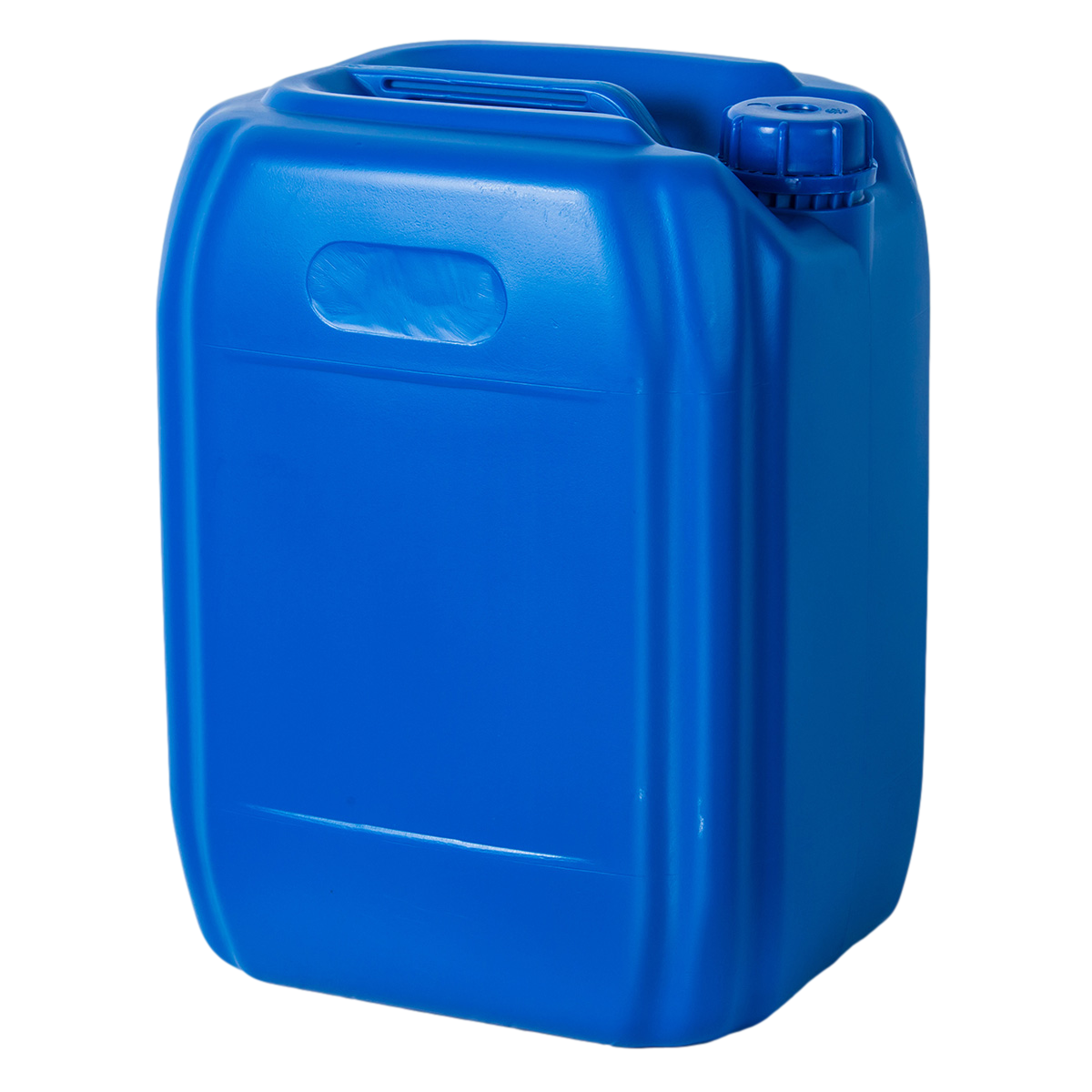
Chemical drums can replace metal containers to a considerable extent and are ideal equipment for the storage and transportation of corrosive chemical liquids, with low prices and high cost-effectiveness.
Methods for repairing chemical drums.
Chemical drums are a type of transport product, and long-term use inevitably leads to wear and other minor issues. Although wear and cracks are minor problems, they can still be quite troublesome to handle. Today, let's talk about the methods for repairing chemical drums.
If the chemical drum we need to repair is made of polyethylene, we can use a plastic welding gun or electric soldering iron for thermal bonding. The working principle is that after each circuit is connected, the air compressor continuously sucks in air and compresses it into high-pressure air. The heating wire in the plastic welding torch is heated to a very high temperature. When the exhaust valve of the air compressor is opened, high-pressure air passes through the holes in the heating wire block of the plastic welding gun, gets heated, and then high-pressure hot air is sprayed out from the nozzle, melting the plastic. The plastic molecules on the two bonding surfaces will diffuse and penetrate into each other, and after cooling, the interface disappears, bonding the two together.
Some chemical drums, once damaged, are very difficult to repair. Moreover, because the materials inside the drums are quite special, recycling them is challenging. If buried, they will be very difficult to decompose, thus polluting the soil. If burned, they will produce a large amount of harmful gases, which can have a certain impact on our health, and gas pollution is difficult to clean up. Therefore, we advocate for special treatment and secondary processing of plastic chemical drums to reduce environmental pollution.
Alright, that's all for today. Thank you all for watching, and see you next time.

Foshan Nanhai Changjin Plastic Cans Co., Ltd., founded in 2006, is a large private enterprise specializing in the production of plastic packaging barrels (cans). The existing fixed assets are more than 300 million yuan, with an annual output value of more than 300 million yuan. The overall relocation was completed in May 2023, and has now moved to a self-built factory building located in Luodong Industrial Park, Shishan Town, with a construction area of more than 59000 square meters.
Contact Us
Company Address:
No. 1, Guoshi South Road, Shishan Town, Luodong Village, Nanhai District, Foshan City, Guangdong Province, China
Contact Phone:
Company Fax:
860757-81203683
Main Products
Mobile phone official website
Web
Tiktok