
Blog
Foshan Nanhai Changjin Plastic Cans Co., Ltd. (www.cjslzg.com), founded in 2006, is a large private enterprise specializing in the production of IBC ton barrels, IBC container barrels, plastic packaging cans, plastic barrels and chemical barrels. Customized products and services for customers. Our products have been well received by customers since they were launched on the market.
Chemical barrels can withstand temperature and their characteristics.
Chemical barrels can withstand temperature and their characteristics
Plastic chemical barrels are characterized by being lightweight, having good durability, good sealing, and being corrosion-resistant, making them suitable for packaging, storing, and transporting liquid products, especially for packaging unique hazardous materials. The good sealing characteristics of plastic barrels are fully utilized.
Due to differences in the production materials and manufacturing processes (injection molding, blow molding products, etc.) of plastic barrels, we can use them to hold liquid and solid items in industries such as agriculture, pharmaceuticals, daily life, hardware, and electromechanical engineering, selecting plastic barrel materials and production processes based on product characteristics.
When designing chemical product coating barrels, in order to extend their lifespan, we need to consider various fields. The acceptable environmental temperature range for plastic barrels is an important reference standard during this period.
Generally, chemical barrels can withstand a high temperature of 108 degrees and a low temperature of -70 degrees. Therefore, the temperature of the liquid stored in chemical barrels should ideally be between -40 degrees and 60 degrees. If the temperature exceeds this range, or if the stored weight is higher or the liquid temperature is higher, safety measures should be taken to prevent the chemical barrel from deforming.
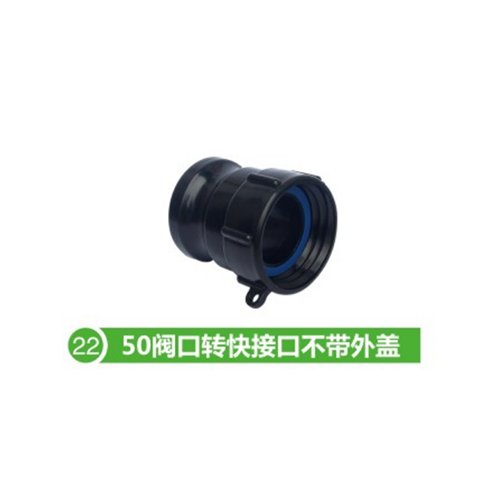
Chemical plastic barrels are generally made using rubber and plastic products, and different forming methods can have a certain impact on the product's performance and cost. Even with similar-shaped packaging containers, due to material differences, the performance of chemical plastic barrels can vary greatly. Therefore, even though we have regulations on the temperature range that chemical product coating barrels can withstand, practical use still requires consideration of specific conditions.
Overall, regardless of quality, chemical product coating barrels have a temperature tolerance range. Once this range is exceeded, chemical barrels can easily deform, age, and cause many other problems. Therefore, when using chemical barrels to hold liquids, it is essential to ensure that the temperature of the stored liquid remains within the tolerable range of the chemical barrel.
Plastic barrels have good characteristics, the main features are as follows:
1. Plastic barrels are characterized by being unbreakable, corrosion-resistant, and lightweight.
2. Plastic barrels have excellent resistance to acids, bases, and strong corrosion.
3. Plastic barrels are generally used for packaging hazardous materials that require heat insulation, waterproofing, pressure resistance, and corrosion resistance.
4. The materials for plastic barrels are mostly made from high-density polyethylene, polypropylene, and polyester, produced through plastic injection, blow molding, and rotational molding, generally used for holding liquid and solid items in fields such as chemical factories, fertilizers, pharmaceuticals, food, hardware electronics, and electromechanical engineering.
5. Plastic barrel specifications range from 0.25L to 220L for open and closed mouth plastic barrels, and 1000L container plastic barrels, suitable for holding or transporting items.
6. Some plastic barrels are suitable for hot filling, and the general temperature should not exceed 60°C. After hot filling, the contents should be allowed to cool sufficiently to room temperature before sealing the outer cover and stacking. They have excellent weather resistance from -40°C to 50°C.


Foshan Nanhai Changjin Plastic Cans Co., Ltd., founded in 2006, is a large private enterprise specializing in the production of plastic packaging barrels (cans). The existing fixed assets are more than 300 million yuan, with an annual output value of more than 300 million yuan. The overall relocation was completed in May 2023, and has now moved to a self-built factory building located in Luodong Industrial Park, Shishan Town, with a construction area of more than 59000 square meters.
Contact Us
Company Address:
No. 1, Guoshi South Road, Shishan Town, Luodong Village, Nanhai District, Foshan City, Guangdong Province, China
Contact Phone:
Company Fax:
860757-81203683
Main Products
Mobile phone official website
Web
Tiktok